
If a department update reaches first shift at roll call, second shift by email, and night shift through a coworker, ask staff about those three experiences before adding another messaging channel. A short survey can show whether people received the message, understood what to do, and knew where to find the current instructions.
TL;DR
Test one recent department update with five questions. Separate reach, timing, clarity, and follow-up. Include staff who do not attend patrol roll call. Fix the step where the message broke down, then test the same questions after the next update.
Choose a specific message and give staff a reference point
Pick a recent update employees were expected to act on, such as revised leave-request instructions or a change in who handles equipment returns. Include the subject and approximate date in the invitation so employees are thinking about the same message. Avoid sensitive operational examples or asking employees to disclose information about individual incidents. If the department has just issued several major updates, pick only one for this survey so you can trace how it moved through the agency.
The U.S. Office of Personnel Management’s Federal Employee Viewpoint Survey summary includes items about supervisory feedback and communication across work units. Those broader questions can support a department-wide climate survey. This single-message check does something narrower: it tells command which part of a specific briefing process to inspect.
Five questions to test whether the message made it across shifts
- Reach: Before receiving this survey, had you heard about the new process? Options: Yes, No, Not sure.
- First source: Where did you first hear about it? Options might include roll call, email, intranet, supervisor, coworker, or another channel. Include “I had not heard about it.”
- Timing: Did you hear about the change before you first needed to follow the new process? Offer “I haven’t needed to use it yet.”
- Clarity: When you first heard about the change, how clear was the action you were expected to take? Use a labeled scale and include “I didn’t receive the instructions.”
- Follow-up: If you needed to check the current instructions today, would you know where to find them? Include “Not sure.”
Add one optional comment only if someone will review it: “What would have made the instructions easier to use?” Ask for process observations, not names, case details, or complaints about an individual supervisor. Link to the official current instructions after the survey so the invitation itself does not give away the answer to the reach or clarity question.
Identify the fix by reading the answers together
When people first hear a change through coworkers, compare timing and clarity before treating informal communication as the problem. A coworker may be repeating good instructions in a way that helps. Likewise, high email reach does not guarantee people knew which version to follow. A simple results table with counts for each item is more useful than a combined communication score.
Consider a hypothetical example: most respondents report seeing a revised equipment-return notice, but several say they could not find it again when they needed the form. Repeating the announcement at every roll call might do little. Give the instructions a permanent home, link to that location in the original message, and update the same reference when the process changes instead of circulating another attachment.
Make sure the invite reaches staff who missed the update
Send the survey independently of the channel you are testing. If you only read the survey invitation at roll call, you’ll miss some of the same people who missed the message. Invite dispatch, records, and other staff if the change affects them. Give people time across their regular work schedules. Avoid reporting small combinations of shift, role, and assignment; provide an agency-wide or combined view where needed.
At the next update, publish an internal note on what changed in the distribution process. Then reuse the same questions with a comparable operational message. Compare the counts and response mix alongside each result, especially if a different group received the second update.
For ongoing listening, use the Officer Survey communication and engagement question set. To see how a short survey can fit your department’s briefing routine, contact Officer Survey for a demo.
Frequently asked questions
Is this a rating of individual supervisors?
No. The unit of review is the communication process for a single message. Use separate coaching and performance processes if there are issues with an individual supervisor.
What if employees answer before they ever had to use the new process?
Keep their responses about reach and clarity. Exclude “I haven’t needed to use it yet” from calculations about whether notice arrived before it was needed, and show that count separately.
Should we use a knowledge quiz instead?
Use the survey to learn how instructions reached staff. A separate knowledge check may be appropriate when the agency must verify understanding, but it answers a different question.
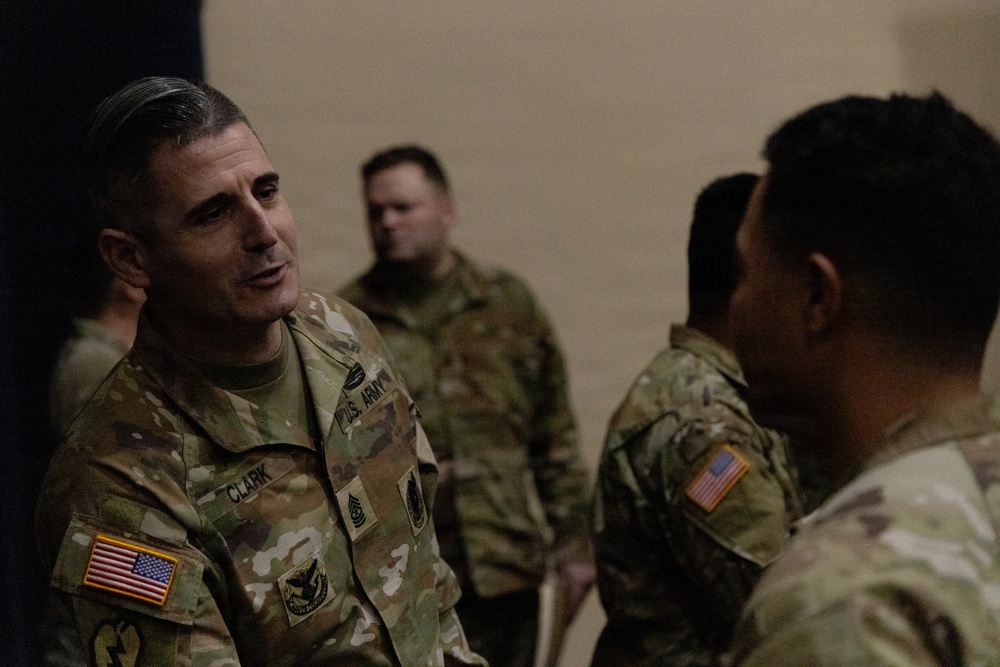
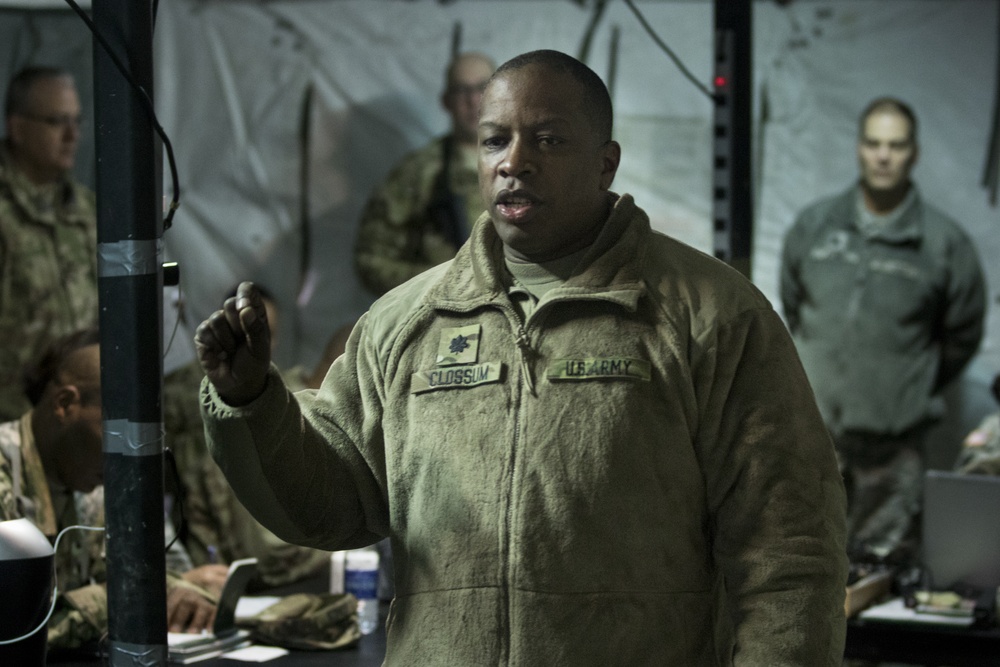
Header photo: A U.S. Army Reserve operations officer gives guidance during a military police command staff meeting. U.S. Army Reserve photo by Sgt. Elizabeth Taylor, via DVIDS, public domain. The photo is illustrative and does not imply endorsement.