Tribal Police

Community feedback surveys for Tribal police departments

Ask what residents want to understand better about services and what would make community meetings easier to attend. Use the wording, timing, and data-sharing practices approved by the community.

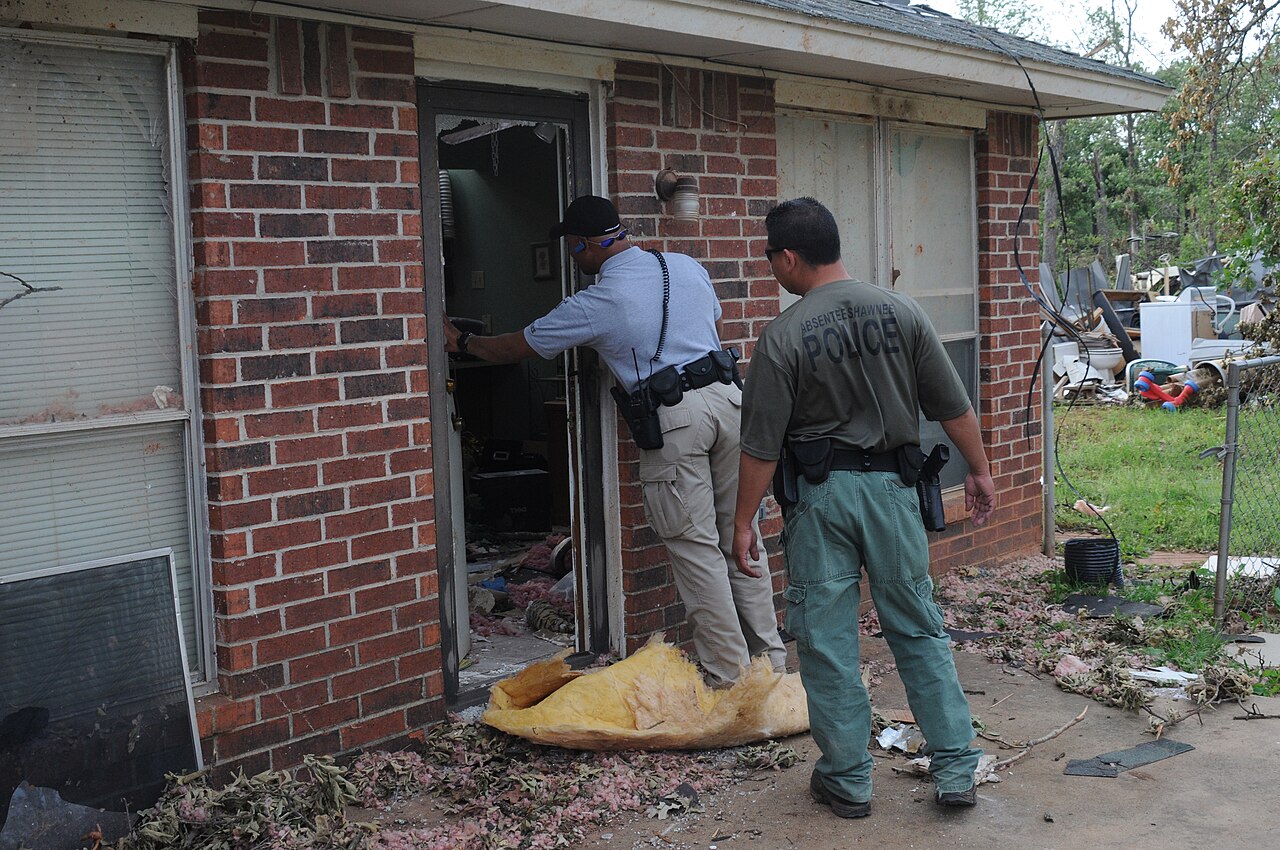
Two Absentee Shawnee Tribal Police officers check a damaged home in Shawnee, Oklahoma.
Community-led listeningCommunity Listening Follow-Up

What would make it easier to take part in a future listening session?

Example survey question
Illustrative photo. No agency affiliation or endorsement implied.

Where to start

What to ask and when

01

Follow up after a listening session

Work from an approved purpose and ask people what was useful, what was missed and how they want to hear back. Offer a non-digital way to participate when a link or QR code is not suitable.

02

Review community-facing information

Ask volunteers to read approved, public instructions for finding nonurgent assistance. Check whether the wording and contact directions work for different residents without assuming everyone uses the same language or channel.

03

Learn what staff and partners need

Use separate surveys for staff training and program partners. Report themes in a way that does not single out participants in small communities or workgroups.

Survey templates

Survey questions for Tribal Police

Preview the questions here. In the builder, choose your response formats and adjust the wording for your audience.

01Tribal Police Community Listening Session Survey10 example questions
  1. How clear was the purpose of the listening session before you attended?
  2. How well did the session give people time to share their views?
  3. How respectfully were different perspectives received?
  4. How clearly were participants told what would happen with their feedback?
  5. How well did the meeting format support the way you wanted to participate?
  6. How easy were the meeting materials to understand?
  7. How useful was the explanation of which topics the session could address?
  8. What important topic did the session leave out?
  9. How would you prefer to hear about actions that come from the session?
  10. What would make it easier to participate in a future listening session?
Log in to build this survey
02Tribal Police Community Outreach Program Feedback10 example questions
  1. How did the outreach program help you understand the services offered?
  2. How relevant were the topics covered to the reason you attended?
  3. How comfortable did you feel asking staff a general question?
  4. How easy was it to find information about the program before attending?
  5. How well did the location and timing support your participation?
  6. How useful were the materials you could take home or access later?
  7. How clear was the public guidance for contacting the department after the program?
  8. How well did the program make room for people with different experiences and needs?
  9. What topic should the next program spend more time on?
  10. What is one thing the program should keep doing?
Log in to build this survey
03Tribal Police Nonemergency Service Information Survey10 example questions
  1. How easy was it to find approved information about nonemergency help?
  2. How clearly did the public instructions explain which questions can be answered by the department?
  3. How understandable was the wording without knowing departmental terms?
  4. How easy was it to distinguish routine help from emergency assistance?
  5. How clear was the information about where to turn if another service was more appropriate?
  6. How easy was it to understand what would happen after making a routine inquiry?
  7. How well did the language used meet your needs?
  8. How accessible was the information without a reliable internet connection?
  9. What instruction needs the most clarification?
  10. Where would you expect to find this information when you need it?
Log in to build this survey
04Tribal Police Community Communication Preferences Survey10 example questions
  1. How do you usually learn about events or services offered by the department?
  2. Which communication channel would you be most likely to check for a routine update?
  3. How clear are the public notices you currently receive?
  4. How early do you prefer to hear about an upcoming public event?
  5. How useful would a short update after a community meeting be to you?
  6. How easy is it to find information in a format you can use?
  7. How can the department better reach people who do not regularly use the internet?
  8. What kinds of public information would you like to hear about more often?
  9. What makes current updates easy to overlook?
  10. How could the department make it easier to provide feedback on its public communications?
Log in to build this survey
05Tribal Police Staff Training Follow-Up Survey10 example questions
  1. How relevant was the training to the responsibilities of your role?
  2. How clear were the expectations for using the material after training?
  3. How well did the exercises reflect your day-to-day work?
  4. How useful was the instructor’s explanation of where to ask a follow-up question?
  5. How much time did you have to practice what was taught?
  6. How easy has it been to refer back to the training materials?
  7. How well did the course acknowledge differences between communities and work settings?
  8. Which general topic would benefit from more practice?
  9. What has made it harder to use the training in everyday work?
  10. What should stay the same the next time this training is offered?
Log in to build this survey
06Tribal Police Community Partner Coordination Survey10 example questions
  1. How clearly are the responsibilities of each partner described for shared programs?
  2. How easily can your organization find the approved contact for a routine question?
  3. How useful are the updates you receive before joint activities?
  4. How often do routine coordination questions require more than one follow-up?
  5. How well do meetings make room for your organization’s input?
  6. How clear is the process for agreeing on public information before sharing it?
  7. How easily can your organization communicate an accessibility concern?
  8. How consistently are the decisions from a meeting explained afterward?
  9. Which part of routine planning could work better?
  10. What one change would improve coordination on the next shared program?
Log in to build this survey
07Tribal Police Event Accessibility Survey10 example questions
  1. How accessible was information about the event before you decided to attend?
  2. How convenient was the time of the event for your circumstances?
  3. How easy was it to locate the event or join it remotely if that was offered?
  4. How well did the event support your communication needs?
  5. How much opportunity did you have to take part in the way you preferred?
  6. How understandable were the instructions for asking questions or providing feedback?
  7. How well did the event offer a way to participate without a smartphone?
  8. How easy was it to find any materials you wanted after attending?
  9. What made attending or participating harder than it needed to be?
  10. What change would make a future event more accessible?
Log in to build this survey
08Tribal Police Staff Orientation Feedback Survey10 example questions
  1. How clearly were general expectations explained before you started?
  2. How easy was it to locate the approved materials for your role?
  3. How useful was the orientation to community-facing responsibilities?
  4. How clear was the explanation of who can answer routine administrative questions?
  5. How well did the schedule allow time to understand unfamiliar material?
  6. How helpful was the guidance on public communications?
  7. How confident are you locating reference material from the orientation?
  8. How easy was it to ask for clarification when instructions differed?
  9. What should be explained sooner for someone new to the department?
  10. What ongoing support would make orientation more useful?
Log in to build this survey
09Tribal Police Public Service Referral Experience Survey10 example questions
  1. How easy was it to find the right place to ask your general question?
  2. How clearly were you told what the department could help with?
  3. How understandable was the explanation of the other service you could contact?
  4. How easy was it to follow the directions you received?
  5. How useful was the information about what to expect next?
  6. How much chance did you have to ask another question?
  7. How well did the referral account for your communication needs?
  8. How consistent were the directions with other public information you had seen?
  9. What part of the referral process could be simpler?
  10. What should staff explain differently when making a routine referral?
Log in to build this survey
10Tribal Police Community Feedback Report Reader Survey10 example questions
  1. How easy was it to find the approved public summary?
  2. How clearly did the summary explain why the feedback was collected?
  3. How understandable were the findings without attending the original discussion?
  4. How easy was it to distinguish what respondents said from what the department plans to do?
  5. How useful was the explanation of who participated at a general level?
  6. How clear were the limits of what this feedback could show?
  7. How easy was it to find information about planned follow-up?
  8. How accessible was the summary in the format you used?
  9. What would make future public summaries more useful to you?
  10. What part of this report needs a clearer explanation?
Log in to build this survey

Field guide

Planning a survey for Tribal Police

Plan a Tribal police listening survey with local review

Read the guide

Start by deciding what can change as a result of the survey. If the department wants to improve participation in a public listening session, ask residents how they heard about the meeting, whether the time and format worked, and what would make it easier for them to take part. Use wording and translations approved through the local review process.

A QR code at a meeting reaches people who are already there. A short link through an approved public channel, a paper version or a facilitated conversation may reach others. Work with local partners to decide which options fit and how responses from different formats may be combined. Do not assume one approach works for every Tribal Nation or community.

Turn community outreach feedback into a visible change

Read the guide

If people say they heard about a listening session too late, try publishing the next notice earlier through the channels local partners recommend. Then ask how far in advance people heard about it and where they saw the notice. If few people respond, say so. A handful of comments may point to what to improve without representing everyone’s experience.

Use the reporting method approved locally to explain what the department heard, what it can change and what still needs discussion. Review any comments before publication to make sure details do not identify the person who wrote them.

Set expectations about who can see responses

Read the guide

Decide who is allowed to review answers, how long the department will keep them and what findings may be shared before the survey opens. Tell participants what you decided in plain language. In a small workgroup or community, even a combination of ordinary details may identify someone. Do not request those details unless necessary or promise anonymity if you cannot support it.

If written comments are not necessary to answer the survey question, leave them out. If they are useful, invite participants to describe general barriers without naming another person.

Ready to put your first survey to work?

Choose a plan, then use Officer Survey to write, share, and review your own survey.

Choose a plan
  • Start with sample questions
  • Share a link or QR code
  • Review ratings and comments

Practical guidance

Frequently asked questions

Who should approve a Tribal police feedback survey?

Follow the Tribal Nation’s and department’s established review process. Before launch, confirm who may approve the questions, receive responses and share findings; do not assume the same procedure applies across Nations.

How can we make participation more accessible?

Ask local partners about preferred language, internet access and ways to participate. Use approved translations and provide a paper, phone or facilitated option where appropriate.

Should we promise anonymous feedback?

Only say what the survey process can support. Avoid collecting identifying information when it is not necessary, and review small-group results and written comments for the risk of identifying a participant.