Transit and Airport Police

Feedback surveys for transit and airport police

Learn whether riders and travelers knew who could help, how to report a non-emergency concern, or where to go after speaking with an officer.

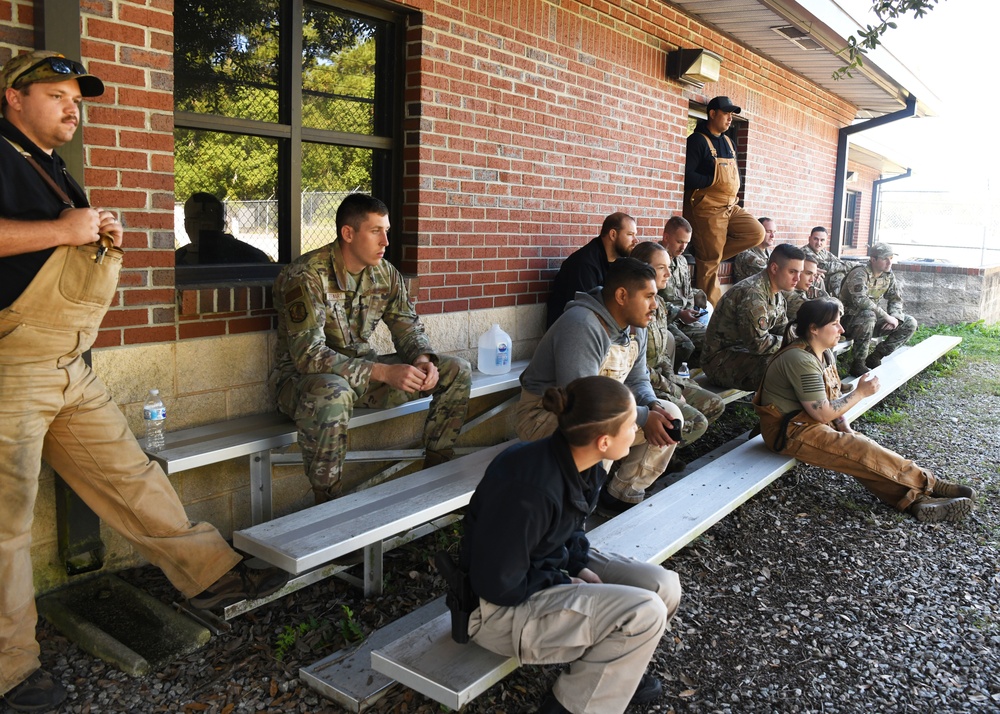
Airport Police of Charleston and Air Force personnel observe a joint training seminar.
Rider & traveler feedbackPassenger Assistance Feedback

After speaking with an officer, how clear was the next step you were given?

Example survey question
The appearance of U.S. Department of War (DoW) visual information does not imply or constitute DoW endorsement.

Where to start

What to ask and when

01

Review an assistance encounter

Share a short survey after an officer helps a rider or traveler. Test whether people knew how to follow up, not what happened in a particular investigation.

02

Test reporting instructions

Ask passengers to read a public sign or webpage and explain which contact they would use. Use the answers to improve wording without collecting live reports.

03

Improve cross-team handoffs

Survey police staff and service-desk teams separately about nonurgent referrals. Look for places where public directions differ between teams.

Survey templates

Survey questions for Transit and Airport Police

Preview the questions here. In the builder, choose your response formats and adjust the wording for your audience.

01Transit Police Rider Assistance Survey10 example questions
  1. How easy was it to find someone who could help you?
  2. How clearly did the officer explain what would happen next?
  3. How respectfully were you treated throughout the interaction?
  4. How well did the answer address what you originally asked?
  5. How much opportunity did you have to ask another question?
  6. How easy was it to understand the language used by the officer?
  7. How clear was the difference between police assistance and help from transit staff?
  8. How prepared did you feel to continue your trip once the conversation ended?
  9. What part of the interaction helped you most?
  10. What could make similar assistance easier for another rider?
Log in to build this survey
02Airport Police Passenger Assistance Survey10 example questions
  1. How easy was it to identify the person who could help?
  2. How clearly were your immediate questions answered?
  3. How helpful were the directions you received?
  4. How well did the conversation meet your communication needs?
  5. How comfortable did you feel asking for clarification?
  6. How clearly did the officer explain any limits on the assistance available?
  7. How useful was the information you received about follow-up?
  8. How easy would it be to find police assistance again on a future visit?
  9. What part of the conversation could have been shorter or clearer?
  10. What one change would make the service easier for passengers to use?
Log in to build this survey
03Transit Safety Information Survey10 example questions
  1. How easy is it to find the transit system’s public safety information?
  2. How clearly does the information explain when police can help?
  3. How clear is the distinction between urgent and nonurgent channels?
  4. How easy is the published information to read while in a station?
  5. How well does the information work on a mobile device?
  6. How clearly do signs and web pages use the same terms?
  7. How easy is it to locate safety information in a language you understand?
  8. How useful are the examples provided for first-time riders?
  9. What public safety instruction would benefit from plainer wording?
  10. What information would you look for but cannot find?
Log in to build this survey
04Airport Police Public Information Survey10 example questions
  1. How easy was it to locate the airport’s public police information?
  2. How clearly did the webpage describe the types of assistance available?
  3. How easy was it to distinguish airport police from other airport services?
  4. How useful were the instructions for a visitor unfamiliar with the airport?
  5. How clear was the advice for questions that can wait until after travel?
  6. How easy were the published contact methods to understand?
  7. How consistently was the information presented online and in the terminal?
  8. How well did the information meet your accessibility needs?
  9. Which instruction would you rewrite first?
  10. What would make a public contact page easier to use while traveling?
Log in to build this survey
05Joint Transit Public Assistance Handoff Survey10 example questions
  1. How clearly do staff understand when to refer a routine request to another team?
  2. How easy is it to locate up-to-date public service information?
  3. How consistently do teams describe their roles to riders?
  4. How useful are the approved handoff instructions in everyday work?
  5. How well does the receiving team understand the help the rider has requested?
  6. How often does a routine referral require a second explanation?
  7. How easy is it to flag an outdated public instruction to the person responsible?
  8. How well does training prepare staff to explain a handoff in plain language?
  9. Which part of a routine referral is most often misunderstood?
  10. What would make the referral process simpler for riders and staff?
Log in to build this survey
06Transit Police Community Outreach Event Survey10 example questions
  1. How easy was it to learn about the outreach event?
  2. How well did the event match its published description?
  3. How useful was the information for your regular use of transit?
  4. How much opportunity did you have to ask a question?
  5. How approachable did staff seem during the event?
  6. How clear were the explanations of where to get future help?
  7. How well did the location support participation?
  8. How accessible were the event materials?
  9. What would you like covered at another event?
  10. What would make it easier for you to attend next time?
Log in to build this survey
07Airport Police Customer Service Training Evaluation10 example questions
  1. How clear were the goals of the training?
  2. How relevant were the practice examples to assisting travelers?
  3. How effectively did the training explain how to give concise directions?
  4. How well did it prepare you to explain a referral to a passenger?
  5. How useful was the practice in checking whether a person understood a next step?
  6. How well did the session address language and communication barriers?
  7. How actionable was the feedback you received during practice?
  8. How useful are the reference materials for everyday interactions?
  9. What communication topic needs more practice?
  10. What part of the training would you keep unchanged?
Log in to build this survey
08Accessible Transit Police Assistance Survey10 example questions
  1. How easy was it to tell that accessible assistance was available?
  2. How clearly were the ways to request assistance explained?
  3. How well did the interaction accommodate how you prefer to communicate?
  4. How easy was it to hear or read the information you received?
  5. How consistently did staff check that the instructions made sense to you?
  6. How much time did you have to ask questions?
  7. How useful were the available alternatives when the first instruction did not work for you?
  8. How clearly were you told where to go next for additional help?
  9. What accessibility barrier made getting help harder?
  10. What change would improve access without requiring riders to explain personal circumstances?
Log in to build this survey
09Airport Employee Public Referral Survey10 example questions
  1. How confident are you explaining what airport police can help a passenger with?
  2. How clear are the current guidelines for routine public referrals?
  3. How easily can you find the public contact information you need during a shift?
  4. How consistent are routine referral instructions across employee workgroups?
  5. How useful were onboarding materials for learning who handles common public questions?
  6. How prepared are you to explain a referral to someone unfamiliar with the airport?
  7. How easy is it to update outdated public information you notice?
  8. How useful would a plain-language referral guide be for your role?
  9. Which routine public question is hardest to refer correctly?
  10. What change would make public referrals easier for airport employees?
Log in to build this survey
10Transit Nonemergency Reporting Instructions Survey10 example questions
  1. How clearly does the published guidance describe what a nonemergency question is?
  2. How quickly could you find the appropriate public contact method?
  3. How easy was it to tell what information the agency will ask for through its official channel?
  4. How clear was the information about what happens after contacting the agency?
  5. How consistently do station signs and web pages describe the same reporting options?
  6. How understandable was the wording without prior knowledge of transit services?
  7. How easy was it to read the instructions on a smaller screen?
  8. How helpful was the guidance about where to turn if you still had a question?
  9. Which part of the guidance caused the most uncertainty?
  10. What would make these public instructions easier to remember?
Log in to build this survey

Field guide

Planning a survey for Transit and Airport Police

Measure whether passengers can find the right help

Read the guide

A traveler who asks an officer where to report a lost item may leave with the right answer but still have no idea which desk to visit. Put a two-minute survey link in a routine follow-up message or an approved public information display. Ask where people first looked, whether they understood the directions they received and whether they knew who to ask if those directions did not work.

Read the comments for repeated phrases. If passengers keep saying that ‘customer service’ could mean three places, the next step is to agree on a single name and use it on signs, the airport website and in staff directions. Run the same questions after that change to see whether the confusion persists.

Survey riders separately from terminal visitors

Read the guide

Keep a few questions the same if you want to compare shared issues such as clarity and respectful treatment. Then ask a question specific to each setting. Transit riders might be asked whether the information was usable without mobile data. Airport passengers might be asked whether they could follow the directions while carrying luggage or trying to reach a gate.

Compare results within similar settings and note where people found the link. Responses gathered at a single station display mainly tell you about the people who saw it there. Make a short URL available beside the QR code, and consider posting the question online as well.

Keep passenger feedback separate from incident reporting

Read the guide

Tell people at the top of the survey that it is not monitored for immediate help. Do not ask for case numbers, booking references or descriptions of security incidents. Link to the agency’s established reporting channels for anyone who needs them, and ask staff reviewing comments to avoid sharing identifiable details in summaries.

If the survey is distributed at a public display, put the reporting link and phone number next to the survey link rather than asking someone who needs help to open the survey first.

Ready to put your first survey to work?

Choose a plan, then use Officer Survey to write, share, and review your own survey.

Choose a plan
  • Start with sample questions
  • Share a link or QR code
  • Review ratings and comments

Practical guidance

Frequently asked questions

Can one survey serve transit riders and airport passengers?

Use the same core questions only where the activity is comparable, such as receiving directions. Build separate versions for station and terminal experiences so the answers can point to the right improvement.

Where should we share a passenger survey?

Use a link in a service follow-up or a QR code on an approved public information display. Explain that the survey is not monitored for immediate help.

What should we leave out of the survey?

Do not request ticket numbers, flight details, case numbers or accounts of security incidents. Direct incident reports to the agency’s established reporting route.