State and Federal Law Enforcement

Training and outreach surveys for state and federal law enforcement

Find out which parts of training translate to the job and where partners need clearer guidance. Use routine feedback to improve the next class or outreach effort without collecting case or operational details.

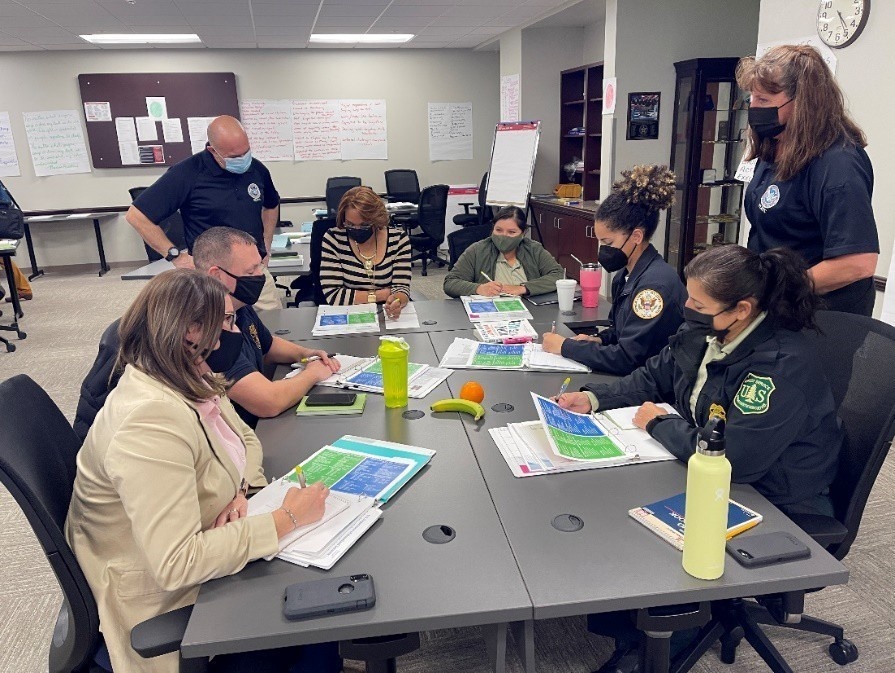
Federal Law Enforcement Training Centers instructors discuss professional development with federal, state and local law enforcement students.
Training across officesRegional Training Check-In

Which part of the workshop would be hardest to put into practice at your office?

Example survey question
The appearance of U.S. Department of War (DoW) visual information does not imply or constitute DoW endorsement.

Where to start

What to ask and when

01

Evaluate training across offices

Use common questions across course deliveries to compare clarity, pacing and relevance. Give the instructors room to ask about barriers to applying the material.

02

Test public handouts

Ask attendees whether a webinar or consumer education handout explained where to get further help. Edit the public guidance before distributing it more widely.

03

Learn from partner agencies

Ask partners about routine administrative coordination or the usefulness of a workshop. Keep the activity separate from sharing investigative information.

Survey templates

Survey questions for State and Federal Law Enforcement

Preview the questions here. In the builder, choose your response formats and adjust the wording for your audience.

01State Law Enforcement In-Service Course Evaluation10 example questions
  1. How clear were the course objectives before instruction began?
  2. How relevant was the course to your current responsibilities?
  3. How well did the instructor explain why each topic matters in practice?
  4. How useful were the exercises for understanding the course material?
  5. How well did the pace allow time to think through unfamiliar material?
  6. How actionable was the feedback you received during the session?
  7. How useful are the materials as a reference after the course?
  8. Which topic should get more time in the next delivery?
  9. What concept are you least confident explaining to a colleague?
  10. What should the instructor keep the same in the next session?
Log in to build this survey
02Federal Field Office Onboarding Survey10 example questions
  1. How clear were your onboarding priorities during the first week?
  2. How easy was it to find the general administrative guidance needed for your role?
  3. How helpful was the explanation of which teams handle routine questions?
  4. How well were mandatory learning activities coordinated with your schedule?
  5. How useful was your introduction to the support resources available to staff?
  6. How clear were the expectations for the first month?
  7. How comfortable did you feel asking for help with a routine process?
  8. How consistent was the information you received from different onboarding contacts?
  9. Which onboarding step took more time than you expected?
  10. What would you tell the office to explain earlier to the next new employee?
Log in to build this survey
03State Public Safety Webinar Evaluation10 example questions
  1. How closely did the webinar match the topic advertised?
  2. How easy was it to follow the presenter’s explanations?
  3. How understandable were the examples without a public safety background?
  4. How useful was the information for a question you had before attending?
  5. How easy was it to take part using the webinar format provided?
  6. How much opportunity was there to submit a question?
  7. How clear was the information about where to learn more afterward?
  8. How useful were the materials shared at the end?
  9. What information would have made the webinar more practical?
  10. What subject would you like covered in a future public session?
Log in to build this survey
04Federal Public Outreach Workshop Feedback10 example questions
  1. How easy was it to determine whether the workshop was intended for you?
  2. How clear was the description of the agency’s public services?
  3. How well did the workshop explain which questions should go to another organization?
  4. How useful were the explanations of general public resources?
  5. How respectful was the discussion when participants raised a different perspective?
  6. How easy was it to find the materials afterwards?
  7. How understandable was the language used in the workshop?
  8. How relevant was the length of the workshop to the amount of information presented?
  9. Which explanation would you like the presenters to clarify?
  10. What would make a future workshop easier for your organization to attend?
Log in to build this survey
05Interagency Administrative Coordination Survey10 example questions
  1. How clearly are the responsibilities for routine coordination explained?
  2. How easy is it to find the right contact for an administrative question?
  3. How consistently do participating agencies share updates about general program changes?
  4. How clearly are next steps communicated after coordination meetings?
  5. How well do meeting materials describe the decisions participants are being asked to make?
  6. How easy is it to locate shared reference material intended for partner agencies?
  7. How useful is the current schedule of administrative check-ins?
  8. How often do unclear instructions generate repeat requests for the same information?
  9. Which recurring administrative task would benefit most from standardized guidance?
  10. What should the participating agencies change before the next coordination meeting?
Log in to build this survey
06Statewide Law Enforcement Training Needs Survey10 example questions
  1. Which general professional skill would make the greatest difference to your everyday work?
  2. How well does the current training catalog match your role?
  3. How often do available course dates conflict with other work obligations?
  4. How easy is it to find learning opportunities relevant to your experience level?
  5. How useful is the balance between instructor-led learning and independent study?
  6. How clear are the course descriptions when deciding what to take?
  7. What amount of refresher training would feel practical within your schedule?
  8. Which subjects would benefit from practice rather than another presentation?
  9. What makes it hard to apply new learning once you return to work?
  10. What training gap should program leaders address first?
Log in to build this survey
07Law Enforcement Instructor Development Survey10 example questions
  1. How prepared do you feel to write measurable course objectives?
  2. How confident are you adjusting an explanation when participants are confused?
  3. How useful is the feedback you currently receive on your teaching?
  4. How easy is it to find up-to-date examples suitable for classroom use?
  5. How comfortable are you facilitating discussion among learners with different experience levels?
  6. How useful would peer observation be for your development as an instructor?
  7. How clearly are you told what learners are expected to do after the course?
  8. How supported do you feel revising materials between course deliveries?
  9. Which part of lesson design takes the most effort?
  10. What instructor resource would help you improve the next class?
Log in to build this survey
08Public Fraud Prevention Presentation Survey10 example questions
  1. How clear was the presentation’s explanation of common fraud warning signs?
  2. How relevant were the examples to situations people in your community may face?
  3. How easy was it to understand the difference between general guidance and official reporting?
  4. How useful were the take-home materials?
  5. How confident are you explaining one prevention step to someone else?
  6. How clearly did the presenter explain where to find reliable follow-up information?
  7. How approachable was the presenter when questions were raised?
  8. How well did the format support people with different levels of familiarity with the topic?
  9. What part of the presentation should be made clearer?
  10. What fraud prevention topic would you attend another session to learn about?
Log in to build this survey
09Field Office Professional Development Follow-Up Survey10 example questions
  1. What concept from the course have you used in general work since attending?
  2. How often have you referred to the material provided during the course?
  3. How helpful was the course in making a routine task easier?
  4. How well did the course prepare you to explain its subject to another staff member?
  5. How much support has been available when you needed clarification?
  6. Which course topic has been harder to apply than you expected?
  7. How well did the timing of the course match your learning needs?
  8. How useful would a short practice session be at this point?
  9. What barrier has kept you from using the course as intended?
  10. What suggestion would you give the instructor before the next delivery?
Log in to build this survey
10State or Federal Public Resource Website Feedback10 example questions
  1. How easy was it to find the public resource you came to use?
  2. How clearly did the page explain who the resource is for?
  3. How easy were the instructions to understand without knowing agency terminology?
  4. How clear was the distinction between reading guidance and making an official request?
  5. How effectively did headings help you locate the relevant section?
  6. How readable were the materials on the device you used?
  7. How useful were the links to related public resources?
  8. How easy was it to tell when information might apply to a different agency?
  9. What question did the resource leave unanswered?
  10. What change would make the resource easier for the public to use?
Log in to build this survey

Field guide

Planning a survey for State and Federal Law Enforcement

Evaluate in-service training across field offices

Read the guide

Ask course participants about the same core topics wherever training is delivered: whether the objectives were clear, whether there was enough practice and which material they expect to use. Let each instructor add one question about the day’s exercises. A follow-up a few weeks later can ask what participants actually used and whether time, reference materials or another barrier kept them from applying it.

Suppose several classes find the course relevant but a follow-up shows few participants can find the reference guide. Updating the guide and telling people where to find it may be more useful than changing the course itself. Compare patterns across deliveries, and treat results from a small class as a starting point for discussion rather than a verdict on its instructor.

Test public outreach materials before wider release

Read the guide

For a fraud prevention webinar or public resource page, ask participants to name one action they would take if they needed help. Give them an approved link at the end of the event, and let them answer before they leave. If people keep naming the presentation host instead of the intended public assistance channel, make that direction more prominent in the handout and repeat the question at the next session.

If you compare different sessions, write down who received the survey and how. A live event survey and an emailed follow-up may reach very different groups, even if the questions match.

Collect partner feedback without requesting case information

Read the guide

Use a separate survey for organizations that attend regional workshops or coordination meetings. Ask whether routine administrative responsibilities are understood, whether reference materials are easy to find and whether next steps are clear. Do not ask partners to describe ongoing investigations, sensitive assignments or restricted systems. Before distributing the link, follow the agency’s review process for the wording, recipients and data handling.

Give respondents a clear way to route a question that belongs in an existing agency process instead.

Ready to put your first survey to work?

Choose a plan, then use Officer Survey to write, share, and review your own survey.

Choose a plan
  • Start with sample questions
  • Share a link or QR code
  • Review ratings and comments

Practical guidance

Frequently asked questions

How should we compare feedback across field offices?

Keep questions, wording and response scales consistent where you need a comparison. Treat small or self-selected samples as feedback about those respondents rather than proof of how an entire office feels.

Can we ask about follow-through after a training course?

Yes. A later survey can ask what participants used, what stopped them and what refresher would help. Keep those questions about general practice rather than case examples or sensitive assignments.

Should we use a survey to collect investigative records?

No. Use agency-approved systems for investigative records and operational reporting. Have the appropriate agency reviewer approve survey content, audience and data handling before sharing it.