Campus Police

Campus Police Survey Templates for Students, Faculty, and Staff

Learn whether students and staff know how to reach campus public safety, where safety communications get missed, and which outreach programs they would use.

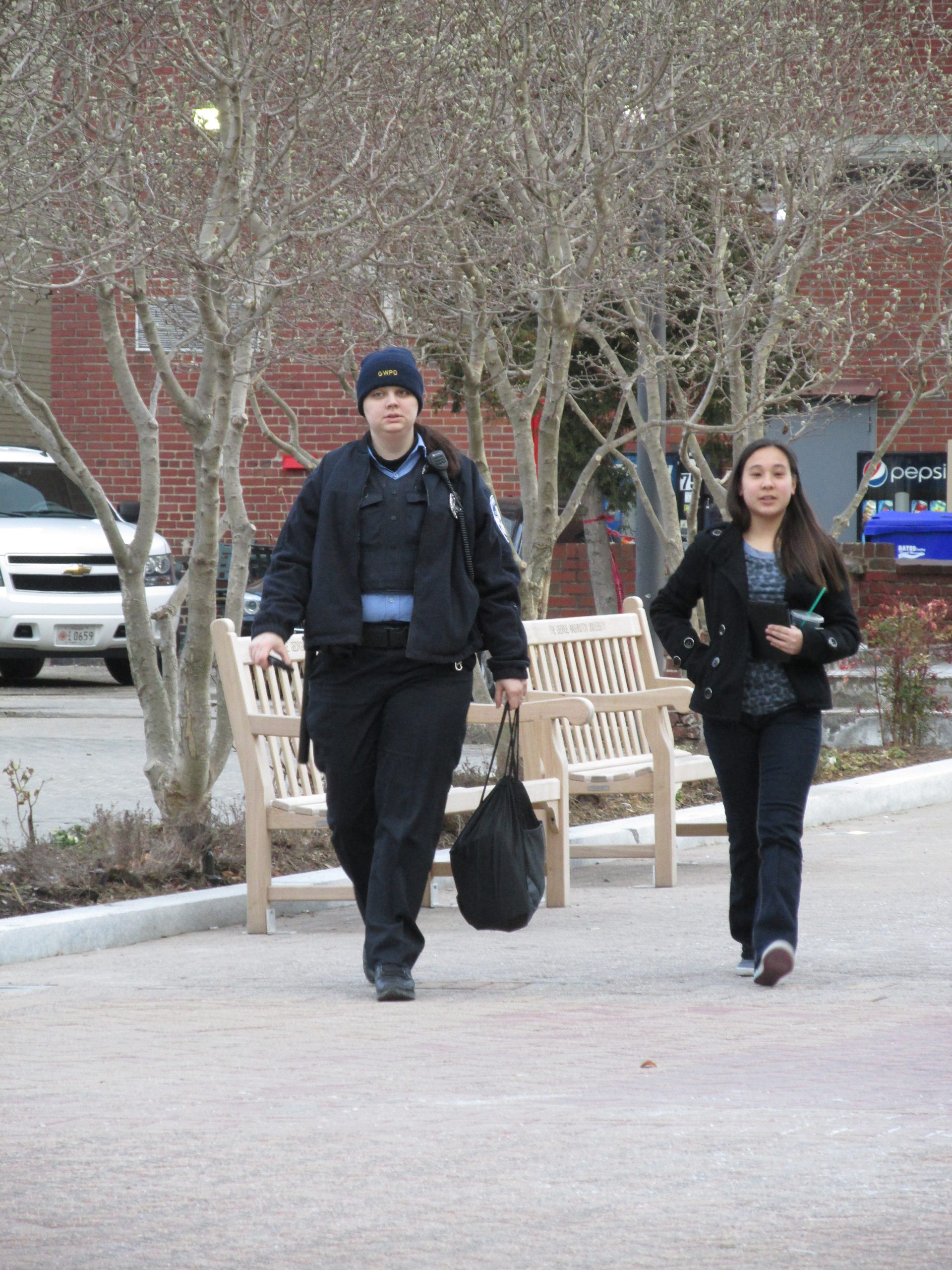
Campus police officer in an outdoor university plaza
Campus safety & outreachCampus safety escort awareness survey

Where would you look first for information about getting a safety escort?

Example survey question
Illustrative photo. No agency affiliation or endorsement implied.

Where to start

What to ask and when

01

Learn how people find help

Ask where people would look for a non-emergency contact, an escort, or a general safety resource. If different audiences expect different places to find the same information, fix the instructions before adding another campaign.

02

Hear from people who move through campus differently

Use outreach beyond police events: commuter newsletters, residence life, staff channels, and commuter parking communication. Report results from small groups with care so comments do not identify individuals.

03

Follow up after outreach

Keep a short link or QR code on handouts so people can say what they still do not understand. Report back on changes and direct incident reports to approved campus channels.

Survey templates

Survey questions for Campus Police

Preview the questions here. In the builder, choose your response formats and adjust the wording for your audience.

01Campus Police Community Survey10 example questions
  1. How familiar are you with the services campus police provides?
  2. How comfortable would you feel asking campus police a general question?
  3. How easy is it to find the department’s non-emergency contact information?
  4. How clear is the difference between campus police and other campus support services?
  5. What would make the department easier to approach?
  6. What campus safety topic do you wish the department explained better?
  7. How useful are the ways campus police currently shares routine information?
  8. How well do current outreach activities reach people with your schedule?
  9. What general change would improve how campus police communicates with the campus?
  10. What should the department keep doing because it works well for you?
Log in to build this survey
02Campus Police Contact Feedback Survey10 example questions
  1. How easy was it to understand who could help you?
  2. How clearly did staff explain what would happen next?
  3. How carefully did staff listen to your concern?
  4. How respectful was the communication during the contact?
  5. How easy was it to ask a follow-up question?
  6. How clearly did you understand where to get additional help?
  7. What part of the contact made you feel heard?
  8. What could have made the explanation easier to follow?
  9. How clear were any instructions you received after the contact?
  10. What would make a similar interaction more helpful?
Log in to build this survey
03Campus Safety Escort Awareness Survey10 example questions
  1. Before today, how familiar were you with the campus safety escort service?
  2. Where would you look first for information about getting a safety escort?
  3. How easy is it to tell who can request an escort?
  4. How easy is it to tell when the service is available?
  5. Which part of the request process is hardest to understand?
  6. What would make you more comfortable using the service?
  7. What would you expect to learn before placing a request?
  8. How well do current signs or campus pages help you find the service?
  9. Where would an escort reminder be most useful in your regular campus routine?
  10. What one change would make information about the service clearer?
Log in to build this survey
04Campus Nighttime Travel Survey10 example questions
  1. How comfortable do you feel making your usual campus trips after dark?
  2. How easy is it to find current information about evening transportation?
  3. What general conditions make a nighttime trip feel more comfortable?
  4. How easy is it to find a place to wait while arranging a ride?
  5. How useful are campus maps when planning an evening trip?
  6. What information would help you choose among available ways to get home?
  7. How well do existing options fit work, class, or lab schedules that end late?
  8. Where would a reminder about evening travel resources reach you?
  9. What one change to signs or guidance would help most?
  10. What should campus staff ask about more often when improving evening travel?
Log in to build this survey
05Campus Safety Orientation Survey10 example questions
  1. How clearly did orientation explain where to find help?
  2. Which safety resource was easiest to remember afterward?
  3. Which service needed a better explanation?
  4. How clearly was the difference between urgent and non-urgent contacts explained?
  5. What part of the orientation would have benefited from a short example?
  6. How easy was it to find the resources after orientation ended?
  7. What information should be offered in a different format?
  8. Which safety topic would be useful to revisit later in the semester?
  9. What should be explained specifically to commuters or graduate students?
  10. What should next year’s orientation change first?
Log in to build this survey
06Campus Police Outreach Event Survey10 example questions
  1. How clearly did the event invitation explain what to expect?
  2. How useful was the event for learning about campus police services?
  3. How comfortable did you feel asking a question?
  4. How clearly did staff explain who to contact after the event?
  5. What topic needed more time?
  6. What topic could have been shorter?
  7. What would make this event easier to attend or access?
  8. Which resource from the event would you use or share?
  9. What should the department cover at a follow-up session?
  10. What would make you attend another campus police outreach event?
Log in to build this survey
07Campus Non-Emergency Help Survey10 example questions
  1. How easy is it to tell when a question belongs with campus police?
  2. Where would you look first for campus non-emergency help?
  3. How easy is it to find the current contact information online?
  4. How clear are the choices on the department’s contact page?
  5. What information would help you prepare before calling?
  6. How easy is it to tell when an office or service is available?
  7. What would make campus contact information easier to use on a phone?
  8. Where should residence or commuter materials point people for help?
  9. What one part of the contact guidance is most likely to confuse a new student?
  10. Which change would make it easier to find the right office on the first try?
Log in to build this survey
08Campus Safety Communication Feedback Survey10 example questions
  1. How easy is it to recognize a routine campus safety update?
  2. What makes a campus safety message clear enough to act on?
  3. Where do you usually see general safety announcements?
  4. What information routinely arrives later than you need it?
  5. How easy is it to find the original guidance after seeing a message?
  6. Which publications or channels would you use for prevention tips?
  7. What language or wording is hardest to understand?
  8. How should routine reminders be timed during a busy academic term?
  9. What campus safety topic is missing from current communications?
  10. What change would help campus messages reach you more reliably?
Log in to build this survey
09Campus Event Guest Safety Information Survey10 example questions
  1. How clear was the safety information sent before the event?
  2. How easy was it to find a staff member to ask for directions?
  3. How easy was it to understand where to go for general assistance?
  4. How useful were event maps and signs?
  5. What information would have helped you plan your trip to the venue?
  6. How easy was it to find accessibility guidance before arriving?
  7. How clear was the venue information when the event ended?
  8. What would make safety guidance more useful for first-time visitors?
  9. What information should the event organizer keep providing?
  10. What should change in the next event’s guest information?
Log in to build this survey
10Campus Safety Partnership Feedback Survey10 example questions
  1. How clear is the purpose of the partnership between campus police and your group?
  2. Which campus safety issue is best addressed together?
  3. How useful have joint meetings been for resolving routine questions?
  4. Which information is not reaching the people who need it?
  5. Where are the roles of the participating groups unclear?
  6. What would make it easier to plan an outreach activity together?
  7. How should the groups explain joint activities to the campus community?
  8. How often should the group revisit the priorities it agreed to?
  9. What outcome would tell you the partnership is helping?
  10. What practical step should the partners take before their next meeting?
Log in to build this survey

Field guide

Planning a survey for Campus Police

Design a campus safety escort awareness survey that guides a change

Read the guide

Separate knowing the service exists from knowing how to request it. Ask respondents where they would look first, whether they can tell who may use it, and what they’d need to know before making a request. That gives the department something to fix beyond simply promoting the service more often.

If students have seen escort posters but still don’t know whether commuters can use the service, clarify eligibility where they’re already looking. Then repeat the relevant question in a later survey. Don’t ask respondents to describe personal routes, schedules, incidents, or reasons they might need an escort.

Reach students and staff who don’t attend campus police events

Read the guide

A survey sent only to people at a safety event will mostly tell you what the people in that room think. Ask residence life, commuter services, graduate student groups, and staff communications to share the same survey. Give respondents time to answer before you close it; class and work schedules don’t follow the same patterns.

Keep a permanent destination for safety contacts separate from a QR code that leads to feedback. On a poster or handout, tell people which link is for a general suggestion and where they should go for help. Walk through both links on a phone before distributing the material.

Read campus safety feedback without treating it as an incident count

Read the guide

If a survey asks people whether a safety message was clear, the answers tell you about communication. They don’t establish how many incidents occurred or whether risk changed. Group comments by something campus staff can improve, such as hard-to-find contact details, unclear service hours, or instructions that don’t work well on a phone.

Share themes with the offices that can fix them, and report back in plain language about what changed. For small programs or employee groups, combine results or leave out details that might identify someone. Direct reports of misconduct, incidents, or immediate concerns to the campus’s approved channels.

Ready to put your first survey to work?

Choose a plan, then use Officer Survey to write, share, and review your own survey.

Choose a plan
  • Start with sample questions
  • Share a link or QR code
  • Review ratings and comments

Practical guidance

Frequently asked questions

What is the difference between a campus climate survey and a campus police survey?

A campus police survey can focus on specific services and experiences with the department. Broader campus climate research may need different approval, sampling, and reporting, especially on sensitive subjects.

Can we ask about a recent contact with campus police?

Yes. Ask about clarity, courtesy, and whether the next step was explained. Do not collect names, case numbers, or incident narratives in a general feedback survey.

Should campus police use a survey to take safety reports?

No. Keep feedback separate from emergency, incident, and complaint reporting. Link people to your campus’s approved reporting or support channels.