Sheriff Departments

Community Feedback Surveys for County Sheriff Departments

Give residents a quick way to weigh in after a non-emergency call, and give deputies a way to flag what makes a shift harder. See where a change to follow-up, staffing communication, or training would help.

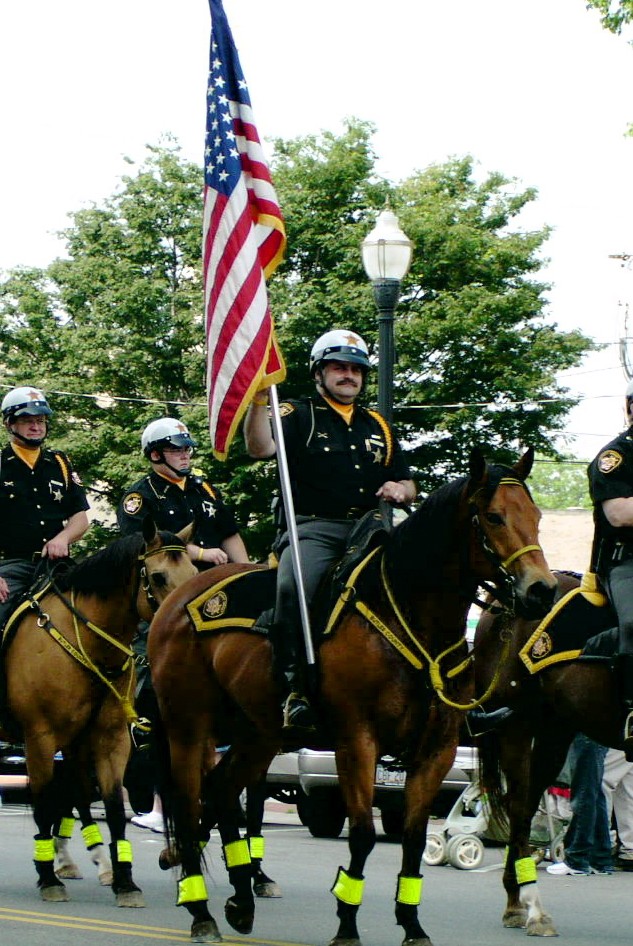
Mounted sheriff’s deputies ride together in an Ohio community parade.
County service deskCounty Outreach Feedback

After your non-emergency contact, how clear were the next steps?

Example survey question

Where to start

What to ask and when

01

Collect feedback beyond the county seat

Put a QR code on outreach materials and use the same survey link in town newsletters. Ask about service access without collecting home addresses.

02

Improve public-facing guidance

Pick one process, such as requesting a public record, and ask where instructions became unclear. Use responses to decide what to rewrite on the county site.

03

Hear from deputies and civilian staff

Run a separate staff survey after a policy rollout or training session. Review themes without asking people to name colleagues or describe individual incidents.

Survey templates

Survey questions for Sheriff Departments

Preview the questions here. In the builder, choose your response formats and adjust the wording for your audience.

01Non-Emergency Deputy Contact Survey10 example questions
  1. How easy was it to find the correct non-emergency number or contact page?
  2. How clearly did the deputy explain the purpose of the contact?
  3. How well did the deputy listen to what you needed to say?
  4. How understandable were the words the deputy used?
  5. How clearly did you know what would happen after the contact?
  6. How clear was any expected wait for a follow-up?
  7. How easy was it to ask a follow-up question?
  8. How understandable were any resources you were directed to use?
  9. How respected did you feel during the contact?
  10. What is one change that would make a similar contact clearer?
Log in to build this survey
02Rural County Outreach Survey10 example questions
  1. How did you learn about the sheriff’s office outreach event?
  2. How convenient was the location for people in your part of the county?
  3. How workable was the event time for your schedule?
  4. How easy was it to tell what help would be available before attending?
  5. How comfortable did you feel asking general questions at the event?
  6. Which county service would you like explained at a future event?
  7. How useful were the materials you could take home?
  8. Where would a future outreach stop be easier for your community to reach?
  9. What way of sharing event information would reach more people in your area?
  10. What should the sheriff’s office keep doing at these events?
Log in to build this survey
03Sheriff’s Office Lobby Service Survey10 example questions
  1. How easy was it to tell where to go after entering the lobby?
  2. How clear were the posted hours before your visit?
  3. How easy was it to identify the right desk for your request?
  4. How well did the waiting area work for your needs?
  5. How clear was the explanation of what you needed to bring?
  6. How easily could you understand the steps staff described?
  7. How well did staff tell you what could be completed that day?
  8. How clear was the next step if your request was not complete?
  9. What information would have saved you a trip or a wait?
  10. What should we change about the lobby experience?
Log in to build this survey
04Sheriff Public Records Request Experience10 example questions
  1. How easy was it to find the sheriff’s public records instructions?
  2. How easy was it to tell which records the office handles?
  3. How clear were the instructions for submitting a request?
  4. How clear was the explanation of any fees or how to find them?
  5. How easy was it to find out what happened after you submitted a request?
  6. How clear was the explanation of what you could expect to receive?
  7. How easy was it to find help if you had a question about the process?
  8. How understandable was the language on the request page?
  9. Which instruction would you rewrite first?
  10. What could the office do to make the request process easier next time?
Log in to build this survey
05Sheriff’s Office County Fair Outreach Survey10 example questions
  1. How easy was it to find the sheriff’s booth at the county fair?
  2. How clear was the purpose of the booth when you arrived?
  3. Which topic at the booth was most useful to you?
  4. How appropriate were the materials for the people attending with you?
  5. How easy was it to follow any demonstration you watched?
  6. How welcome did you feel stopping to ask a question?
  7. How useful was the information about non-emergency county resources?
  8. What topic would you like the booth to cover next year?
  9. What would make it easier for you to use the information after the fair?
  10. What should the office change about its next fair booth?
Log in to build this survey
06County Neighborhood Watch Meeting Survey10 example questions
  1. How clear was what the meeting was intended to accomplish?
  2. How easy was it for residents to take part in the discussion?
  3. How useful were the examples of community prevention practices?
  4. How clearly did speakers explain where to find non-emergency guidance?
  5. What part of the meeting felt least relevant to your neighborhood?
  6. How clearly did you understand the volunteer role after the meeting?
  7. What resource would help your group continue meeting?
  8. How convenient was the meeting format for neighbors who could not travel?
  9. What general question should a future meeting address?
  10. What is one change that would make you more likely to attend again?
Log in to build this survey
07Deputy Field Training Feedback10 example questions
  1. How clear were the learning goals at the start of field training?
  2. How useful was the feedback you received after practice tasks?
  3. How consistently did trainers explain why a task needed improvement?
  4. How easy was it to ask for clarification during your training?
  5. Which part of the training schedule gave you enough time to learn?
  6. Where did written guidance and coaching differ in ways that made learning harder?
  7. How prepared did you feel for independent administrative work?
  8. How well did training distinguish practice feedback from final evaluation?
  9. What learning resource should trainees receive sooner?
  10. What would you change before the next trainee cohort starts?
Log in to build this survey
08Sheriff Civilian Staff Onboarding Survey10 example questions
  1. How clearly did you understand what your role covered in your first week?
  2. How easy was it to find basic workplace policies?
  3. How useful was the introduction to other county offices?
  4. How clear was the process for getting help with routine work questions?
  5. How well did the pace of onboarding fit your role?
  6. Which piece of information reached you later than it should have?
  7. How confident did you feel explaining the scope of your work to the public?
  8. How useful were the practice examples for your day-to-day work?
  9. What would have made your first month easier?
  10. What should every new employee receive on their first day?
Log in to build this survey
09Sheriff’s Office Policy Rollout Pulse10 example questions
  1. How easy was it to find the current version of the policy?
  2. How clearly did the announcement explain what changed?
  3. How easy was it to tell when the change took effect?
  4. How relevant were the examples to your daily work?
  5. How prepared did you feel to explain the change in general terms?
  6. How accessible was a reliable place to send policy questions?
  7. How consistently were staff given the same non-sensitive guidance?
  8. What part of the policy could use a plain-language example?
  9. What additional practice or reference would help you apply the change?
  10. What should leadership do differently in the next policy rollout?
Log in to build this survey
10Sheriff Community Partnership Survey10 example questions
  1. How clearly are the goals of the partnership stated?
  2. How well does the partnership reflect needs outside the county seat?
  3. How useful are updates from the sheriff’s office to your organization?
  4. How easy is it to identify the appropriate outreach contact?
  5. How useful are shared public education materials?
  6. How clearly do partners understand who is responsible for each public activity?
  7. What community perspective is not being heard often enough?
  8. How well are partnership discussions translated into public-facing work?
  9. What would make your organization better able to participate?
  10. What should the partnership focus on next?
Log in to build this survey

Field guide

Planning a survey for Sheriff Departments

What county residents need after a non-emergency contact

Read the guide

Use the survey to check whether residents understood the next step, not to revisit the merits of an encounter. A public information officer could include a short link on general follow-up materials after routine contacts. Ask whether people knew who would handle their question and what they could do if they did not hear back. Use the same wording across outreach locations so comparisons are easier to interpret.

Have a public service supervisor review feedback monthly. If people in different parts of the county are unsure when to call again, try rewriting the follow-up instructions and see whether the same concern comes up in the next round. Do not request incident numbers, deputy names, or accounts of ongoing investigations.

Find out who county outreach is not reaching

Read the guide

An outreach event tells you what attendees think, but it misses people who could not get there. Before setting next quarter’s schedule, invite feedback at libraries and community centers as well as at sheriff’s office events. Ask which topics residents want explained and where they already look for county updates. Offer a plain-text link alongside any QR code.

The outreach coordinator can review results the week after the response window closes. Compare what people suggest at different venues without treating an optional survey as a representative countywide poll. Report back on one change you can make, such as shifting a session to a different time or making a handout available online.

Use deputy and civilian staff feedback to improve onboarding

Read the guide

A training lead could send a short survey around the 30-day mark. Ask deputies and civilian employees what they had to learn on their own, where written guidance differed from what they were told, and which routine administrative task needed a better example. Keep role questions broad enough that a small team cannot be identified from the answers.

Review themes before the next cohort arrives. If several employees struggled to locate a basic form, add a finding-and-filing exercise rather than another slide. Keep feedback separate from individual evaluations or personnel records, and tell staff in advance who will see the results and what they can expect to change.

Ready to put your first survey to work?

Choose a plan, then use Officer Survey to write, share, and review your own survey.

Choose a plan
  • Start with sample questions
  • Share a link or QR code
  • Review ratings and comments

Practical guidance

Frequently asked questions

Can we share one survey in several towns?

Yes. Use one link or QR code and ask an optional broad area question only if you need a geographic comparison.

Can this replace our public complaint intake?

No. Use a survey for general feedback and direct specific complaints or allegations to the official county channel.

How can we make rural feedback easier to give?

Print a short link alongside the QR code and leave the survey open long enough for people who do not attend outreach events.