Hear from residents before setting priorities
Ask which fire prevention topics residents want help with, what makes public programs hard to attend, and how they want to hear the results.

Fire Departments
Find out which fire prevention programs residents would attend, what crews can use from training, and where inspection instructions leave people guessing. Use the answers to plan the next class or outreach event.
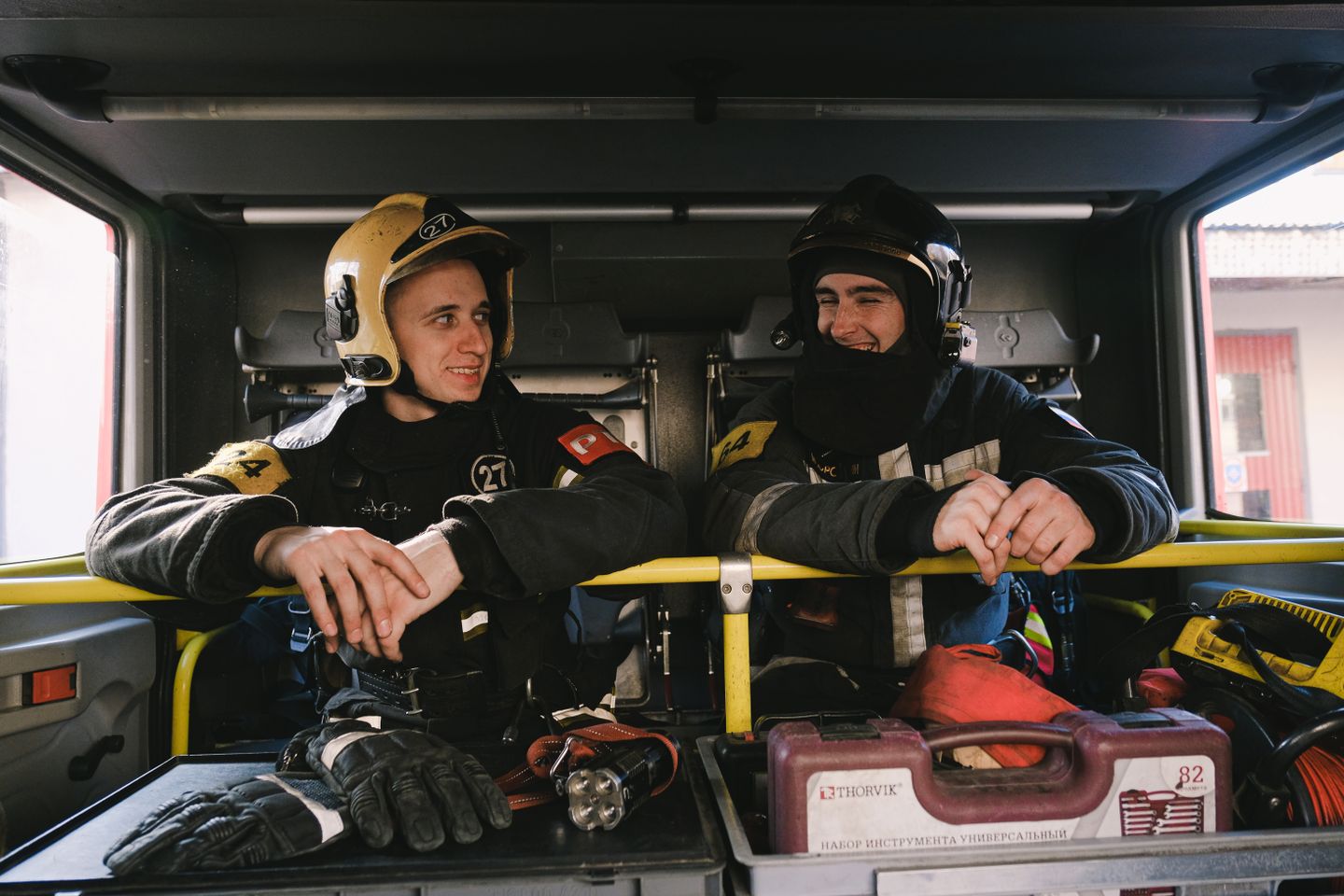
Which part of the demonstration would you like to practice again?
Example survey questionWhere to start
Ask which fire prevention topics residents want help with, what makes public programs hard to attend, and how they want to hear the results.
Share a QR code at the end of a station training session. Ask what transferred to practice, what needs another demonstration, and what to revisit at the next drill.
Use separate surveys for onboarding and retention so a new recruit's orientation feedback does not get buried alongside long-term staffing concerns.
Survey templates
Preview the questions here. In the builder, choose your response formats and adjust the wording for your audience.
Field guide
A prevention officer planning next year’s outreach might need to choose between more school visits, a renter-focused program, or a different time for station events. Write the survey around that choice. Find out which topics people are still unsure about, whether they have attended a program before, and what gets in the way of attending.
Don’t share the link only at an open house. That tells you what people who already turn up would like. Ask libraries, neighborhood groups, and other local partners to share the same invitation. When you review responses, note where you circulated it and which parts of the community you still need to hear from.
A high rating for the instructor doesn’t tell a training officer which part of the lesson to revisit. Ask what participants practiced, where they needed a second explanation, and whether there was time to try again after feedback. Keep a few questions the same from class to class so a change in wording doesn’t muddy the comparison.
Give crews a few minutes to respond before they leave, or share the link at shift change if the class spans multiple shifts. Review the replies while the lesson is fresh. At the next session, tell participants which change came from their feedback so they see why it was worth answering.
A short post-inspection survey can separate scheduling problems from unclear written instructions. Ask whether businesses knew what to bring, where to send a routine question, and what to do after receiving the summary. Use those answers to decide whether to revise the appointment confirmation, the preparation checklist, or the follow-up notice.
Don’t ask a business to retype its inspection findings or provide its address, permit number, or copies of documents. Keep the survey separate from official inspection records and appeals. If people need to dispute a finding or ask about a specific property, send them to the appropriate department contact.
Choose a plan, then use Officer Survey to write, share, and review your own survey.
Practical guidance
Focus on one decision. For a prevention program, ask which topics are useful, where residents prefer to learn, and what keeps them from participating.
Yes. Build a separate survey for each group if their schedules and expectations differ. When reporting results from a small group, avoid publishing comments that could identify someone.
Skip incident identifiers, patient information, and addresses. Direct formal complaints and incident requests to the department's established channels.