Departments of Corrections

Staff, Family and Reentry Surveys for Departments of Corrections

Find out where visitors get stuck before they arrive, what reentry workshop participants could use, or which parts of staff training need more time. Keep this feedback separate from facility and case records.

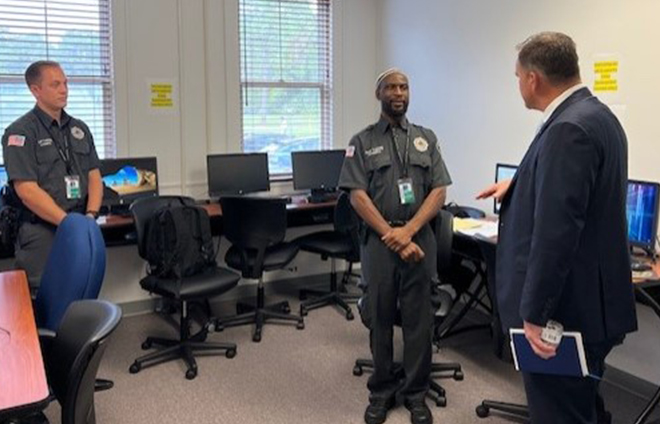
Two uniformed corrections personnel speak with a Bureau of Prisons official in a staff training room.
Staff & visitor servicesFamily Visit Information Feedback

Before your visit, how clear were the instructions for scheduling it?

Example survey question
Illustrative photo. No agency affiliation or endorsement implied.

Where to start

What to ask and when

01

Improve visit instructions

Ask families whether public pages explain scheduling, hours, and where to get answers. Keep the survey optional and leave out names, identification numbers, or visit records.

02

Evaluate reentry classes

Ask whether participants can use the printed resource guide or contact the right organization. Measure what the workshop made clearer, not anyone’s case status.

03

Get useful staff training feedback

Run a short evaluation after orientation or a professional development class. Ask about learning materials, pacing, and support rather than facility operations.

Survey templates

Survey questions for Departments of Corrections

Preview the questions here. In the builder, choose your response formats and adjust the wording for your audience.

01Family Visitation Information Survey10 example questions
  1. How easy was it to find public visitation information?
  2. How clearly did the instructions explain how to schedule a visit?
  3. How easy was it to determine which visiting hours applied?
  4. How clear was the public guidance about what visitors needed to bring?
  5. How easy was it to find help with a general visitation question?
  6. How clearly did the website explain how to check for visit changes?
  7. How understandable was the wording about rescheduling?
  8. How useful was the public information for someone visiting for the first time?
  9. What information did you wish you had found sooner?
  10. What is one way to make the visit instructions simpler?
Log in to build this survey
02Virtual Visitation Setup Survey10 example questions
  1. How easy was it to find the public instructions for virtual visitation?
  2. How clear were the steps for getting started?
  3. How helpful was the explanation of what you needed on your device?
  4. How easy was it to find help before the scheduled visit?
  5. How clearly did the instructions explain how to check that your device was ready?
  6. How clear were any instructions about changing the scheduled visit?
  7. Which setup instruction was hardest to understand?
  8. What would make the instructions easier to use on a phone?
  9. How well did the written guidance prepare you to get started?
  10. What would most improve the virtual visitation setup guide?
Log in to build this survey
03Corrections Family Resource Guide Survey10 example questions
  1. How easy was it to find the family resource guide?
  2. How clear was the explanation of what kinds of help the guide provides?
  3. How well did the guide separate general questions from official requests?
  4. How understandable were the terms used in the guide?
  5. How easy was it to find a public contact for a general question?
  6. How well did the guide explain which topics another agency handles?
  7. What section was most useful to you?
  8. What common question did the guide leave unanswered?
  9. What change would make the guide easier to use on a mobile phone?
  10. What information should the next edition explain first?
Log in to build this survey
04Reentry Workshop Feedback10 example questions
  1. How clear was the purpose of the workshop before it began?
  2. How useful was the explanation of community resources?
  3. How easy was it to follow the workshop materials?
  4. How well did the examples explain when to contact each resource?
  5. How manageable was the amount of information covered?
  6. How comfortable did you feel asking a general question?
  7. How useful was the resource list to keep after the workshop?
  8. What topic needed more time or a clearer explanation?
  9. How confident did you feel finding the right public resource afterward?
  10. What should be changed for the next workshop?
Log in to build this survey
05Reentry Resource Partner Survey10 example questions
  1. How clearly are the responsibilities of each partner described?
  2. How useful is the general directory of community services?
  3. How well does partner orientation explain whom to contact for routine questions?
  4. How current are the public-facing resource descriptions you use?
  5. What kind of resource entry needs a clearer description?
  6. How useful are meetings for resolving general program questions?
  7. How clearly does the program explain which services it does not provide?
  8. What broad service topic needs better coverage in the directory?
  9. What would make it easier for your organization to share public resource updates?
  10. What should the partner group improve during the next cycle?
Log in to build this survey
06Correctional Officer Training Evaluation10 example questions
  1. How clearly were the learning objectives stated at the beginning?
  2. How useful were the practice activities for understanding the course material?
  3. How clear were instructors when they explained unfamiliar concepts?
  4. How well did the course pace match the material?
  5. How useful was the feedback given during practice?
  6. How easy was it to ask for clarification?
  7. Which learning objective needed a better example?
  8. How easy will it be to use the published reference materials later?
  9. What topic would benefit from a refresher?
  10. What would improve the course for the next class?
Log in to build this survey
07Corrections Staff Orientation Survey10 example questions
  1. How clearly did orientation explain who handles routine administrative questions?
  2. How easy was it to find the material covered during orientation?
  3. How clear was the explanation of employee resources?
  4. How useful was the overview of required ongoing training?
  5. How manageable was the first week’s schedule?
  6. Which basic administrative step needed a simpler explanation?
  7. How well did orientation explain where to ask for help with workplace policies?
  8. What part of orientation would have been useful before your first day?
  9. Which part should stay unchanged?
  10. What should a new employee be shown during their first month?
Log in to build this survey
08Corrections Staff Workplace Support Check-In10 example questions
  1. How easy is it to find information about workplace support resources?
  2. How clear is the explanation of how to request general assistance?
  3. How useful are non-sensitive updates from department leadership?
  4. How clearly are changes that affect daily schedules communicated?
  5. How supported do you feel when you need to learn a new administrative process?
  6. How practical are the release times for professional development?
  7. How often do you have a clear way to suggest a process improvement?
  8. What would make internal announcements easier to follow?
  9. What learning or support resource is hardest to find?
  10. What one change to general workplace support would be most useful?
Log in to build this survey
09Corrections Education Class Evaluation10 example questions
  1. How clearly did the instructor explain the goal of the class?
  2. How easy was it to follow the handouts?
  3. How useful were the practice activities?
  4. How well did the class pace match the material?
  5. How comfortable did you feel asking about something you did not understand?
  6. How helpful was feedback on practice work?
  7. Which topic would be easier with a different example?
  8. Which part of the class would you recommend keeping?
  9. How prepared did you feel to practice what you learned on your own?
  10. What would improve the class for the next group?
Log in to build this survey
10Corrections Volunteer Program Orientation Survey10 example questions
  1. How clearly did the orientation explain the volunteer role?
  2. How useful was the overview of the program’s purpose?
  3. How easy was it to find information about applying or renewing?
  4. How clear were the instructions for asking general program questions?
  5. How well did the orientation explain what activities fall outside the volunteer role?
  6. How usable were the materials after orientation ended?
  7. Which topic felt too compressed?
  8. What would help volunteers understand how to support planned activities?
  9. What general information should be shared earlier in the process?
  10. What would improve orientation for the next group of volunteers?
Log in to build this survey

Field guide

Planning a survey for Departments of Corrections

Test whether family visitation instructions work on a phone

Read the guide

Start with one page that families use before a visit. A communications lead could place a short feedback link below the public instructions for scheduling, then ask which step took the longest to figure out and whether visitors knew where to get help. Keep the questions about the public information, not about an individual visit or the person being visited.

After four weeks, the visitation program lead can compare recurring comments with the current page. If several visitors missed the rescheduling instructions, move those instructions where readers are likely to look and include a plain-language heading. Exclude names, identification numbers, visit details, and personal contact information from the survey.

Check whether reentry workshops leave people with a usable resource guide

Read the guide

A reentry education coordinator can invite feedback at the end of a workshop. Ask participants to point out which section of the guide they would use first, which terms were unfamiliar, and whether they could find the right public contact for a general question. Explain that the survey is optional feedback about the class, not an assessment of anyone’s progress.

Review answers before the next scheduled workshop and revise one part of the handout. For example, place plain-language descriptions next to organization names if participants cannot tell what each provider does. Keep case status, release dates, treatment information, and personal circumstances out of the survey. Refer individual support needs through the agency’s existing channels.

Improve corrections staff training without collecting personnel details

Read the guide

After a class for correctional or civilian staff, have the training coordinator send a short evaluation while examples are still fresh. Ask what took too long, which exercise helped, and where a reference document would save time later. A second check-in after a month can test whether staff still use the public or administrative materials introduced in class.

Training leads can review responses at the end of the month and decide which lesson to revise before the next class. Report themes rather than quoting feedback that might reveal a respondent. Do not ask staff to identify coworkers, describe incidents, disclose staffing or facility procedures, or use the form to raise grievances.

Ready to put your first survey to work?

Choose a plan, then use Officer Survey to write, share, and review your own survey.

Choose a plan
  • Start with sample questions
  • Share a link or QR code
  • Review ratings and comments

Practical guidance

Frequently asked questions

Can a family survey take a grievance?

No. Direct grievances, complaints, or urgent concerns to the department’s designated channels, not an experience survey.

Can we use a survey link and a QR code?

Yes. Pair a short address with the QR code on materials that your agency approves for public distribution.

What should we do before collecting staff feedback?

Decide who needs access to responses, explain how the answers will be used, and avoid collecting details that identify a staff member or small team.